Practice Overview
Qi Gong
A mindful movement practice that harmonizes breath and body, cultivating vitality and internal energy through slow, flowing gestures.
Taijiquan
The art of the flowing form, emphasizing balance, stability, and the cultivation of the spirit through slow, rhythmic motion.
Daoist Meditation
A contemplative practice rooted in the Daoist tradition, focusing on stillness and the observation of the natural flow of life.
Shamanic Practice
A grounding ritual that connects with the earth and ancestral wisdom, fostering a sense of presence and inner harmony.
Contemplative Storytelling
A narrative practice that invites you to listen to the silent stories of nature and the hidden currents of the human spirit.
Nature Qi Gong
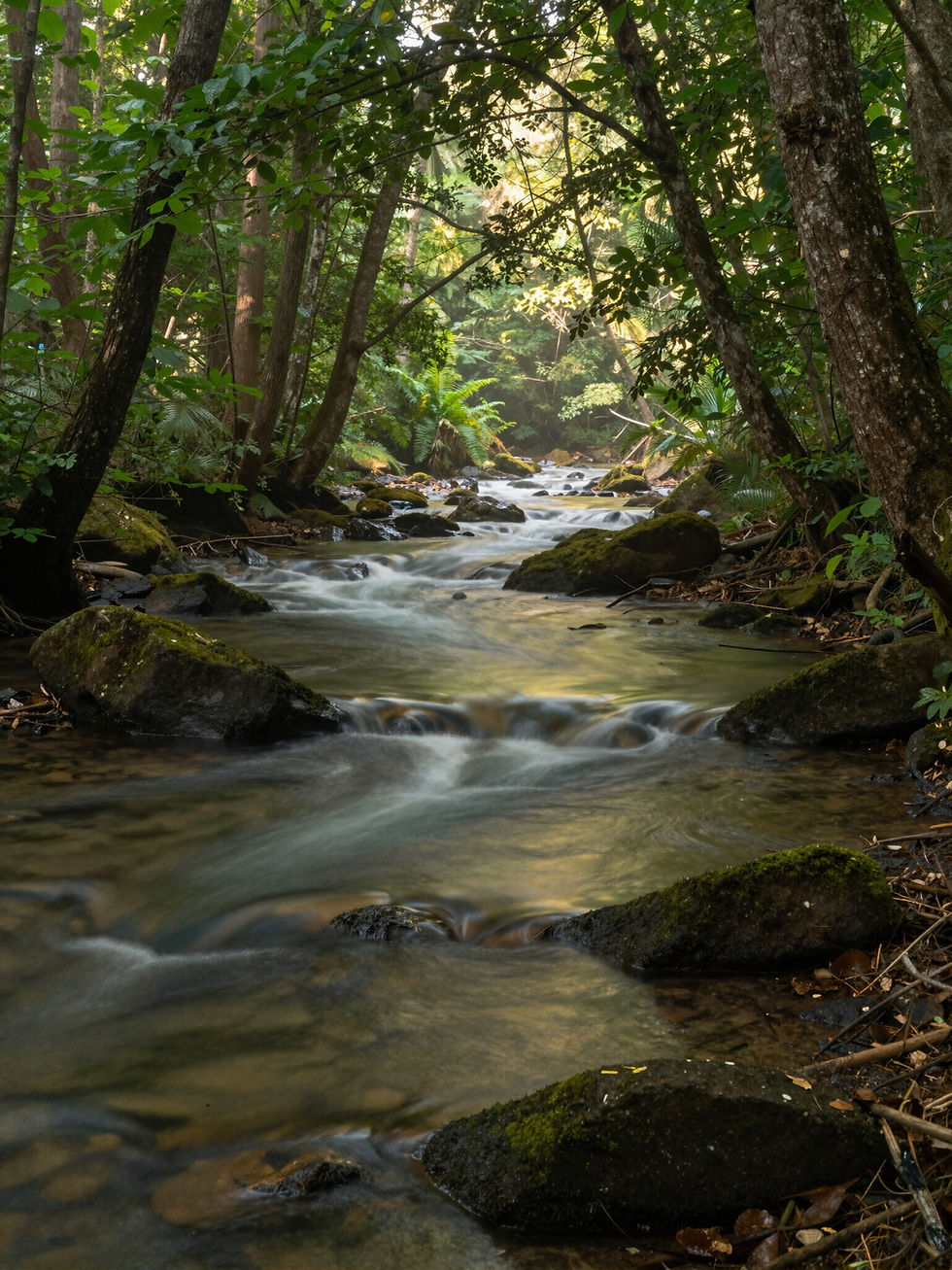
A mindful movement practice harmonizing breath and body through visualization of natural elements—flowing water, steady mountains, and expanding clouds. It explores the relationship between personal presence and the environment.
The Beginner Experience
Expect a gentle physical engagement that requires no prior fitness. Initially, you may experience a subtle settling of the mind and a feeling of groundedness as you synchronize slow gestures with easy, natural breathing.
Daniel's Approach
Daniel treats Qi Gong as an invitation to listen to the body's internal feedback. He distinguishes traditional language of 'Qi' as a helpful framework for visualization and personal movement sensation, rather than a clinical medical claim.
Taijiquan
What it explores
Experience
The art of the flowing form, focusing on the refined Chen style Xiaojia tradition—a study of structural integrity, coiled strength, and internal silence.
You may find a deep sense of grounding, an awareness of how weight shifts through the feet, and a quiet focus as the body moves as a single, connected unit.
Daniel's Approach
Next Step
Daniel teaches Taijiquan as a physical meditation. He emphasizes traditional alignment and visualization to help students feel the natural paths of kinetic energy.
Daoist Meditation
What it explores
The practice of 'Sitting in Forgetfulness' (Zuowang) and inner observation. It is a journey into quietude, where we learn to harmonize with the silent currents of the heart-mind and the natural flow of the world.
For the Beginner
You may initially experience a busy mind, which is entirely normal. Over time, through visualization and breath awareness, a sense of grounding and mental clarity often emerges as you learn to simply watch the thoughts pass like clouds.
Daniel’s Approach
I teach meditation not as an escape, but as a homecoming. We focus on traditional Daoist methods of inner alchemy and stillness, emphasizing personal experience over rigid dogma, encouraging you to find your own river of peace.


The Stream of Wisdom
Daoist Study
What it explores
We delve into the foundational texts like the Tao Te Ching and Zhuangzi, looking not for rigid dogma, but for the fluid observations of how nature works and our place within that harmony.
The Beginner's Experience
Initially, you might find the paradoxes of Wu Wei (non-action) curious. You may experience a shift from trying to control your environment to observing its natural rhythms with a quiet, appreciative mind.
Daniel's Approach
Daniel treats these texts as living mirrors rather than ancient relics. He facilitates discussion that bridges classical concepts with the challenges of modern Western life through storytelling.
Traditional Language Note: While we discuss internal alchemy and energetic flow, these are explored as traditional visualizations and personal psychological experiences rather than medical diagnostic claims.
To begin, simply read one verse of the Tao Te Ching and spend ten minutes in nature observing that verse in action.
Calligraphy
What it explores
The practice of mindful writing, using brush and ink to focus the spirit and observe the moment-to-moment arising of movement and form.
A beginner's experience
Expect a quiet settling of the mind. You will notice the texture of paper and the weight of the brush, finding a rhythmic calm through simple strokes.
Daniel's Approach
Daniel teaches calligraphy not as fine art, but as a mirror. He emphasizes visualization and the internal flow of attention over technical perfection.


Earth-Centered Practice
This stream explores our deep, inherent connection to the local landscape. We listen to the rhythms of the seasons and the silent language of the land, grounding ancient wisdom in the soil beneath our feet.
What to Expect
As a beginner, you may experience a profound sense of grounding and presence. By shifting focus from the abstract to the tangible earth, many find a quiet stability and a renewed appreciation for the natural world around them.
Daniel’s Approach
Daniel approaches this practice as a conversation with the land. He utilizes visualization techniques to help practitioners feel the weight of their own presence, distinguishing personal internal sensations from the physical environment without making medical claims.
Take a simple step today: spend ten minutes sitting quietly in a natural space nearby, observing the relationship between your breath and the movement of the air.
The Streams
We practice the streams that have shaped our life. From the ancient art of Chen Xiaojia taijiquan to the shamanic traditions of the land, these are the paths we walk to find our river.
